Complete guide to depositing and withdrawing with Bitcoin, Ethereum, and Litecoin on iBetSports.ag
You want fast, private, and low-friction bankroll movement. Crypto does that—when you handle it right. This guide walks you through Bitcoin, Ethereum, and Litecoin deposits and withdrawals on iBetSports.ag, from wallet setup to confirmations to buttoned-up safety habits.
Think of it like dialing in your pregame routine. A bit of prep. A quick check of the wind. Then, crisp execution. Crypto betting isn't magic; it's process. Follow the steps, keep your cool, and you'll move funds cleanly while staying focused on the actual game.
We'll get specific: which wallet settings matter, how confirmations affect timing, what fees to expect, and how to avoid the forehead-smack errors people make when they rush. Slow is smooth, and smooth is fast—triple-check the address, then send.
Crypto solves three headaches at once: speed, control, and portability. Bank wires feel like waiting on hold. Cards get declined or flagged. With Bitcoin, Ethereum, or Litecoin, you hold the keys and decide when to move—no permission slip required.
Fees matter too. Bitcoin can feel pricier during traffic spikes, but it's predictable and widely supported. Ethereum is flexible—great when gas is calm, less fun when it surges. Litecoin often flies under the radar with quick blocks and small fees. Pick your lane based on timing and cost, not habit.
If you bet regularly—say every weekend with live markets and props—fund speed becomes part of your edge. That means your crypto flow needs to be clean: deposit in minutes, not hours; track confirmations without guesswork; and withdraw before a big slate so you're ready for the next window.
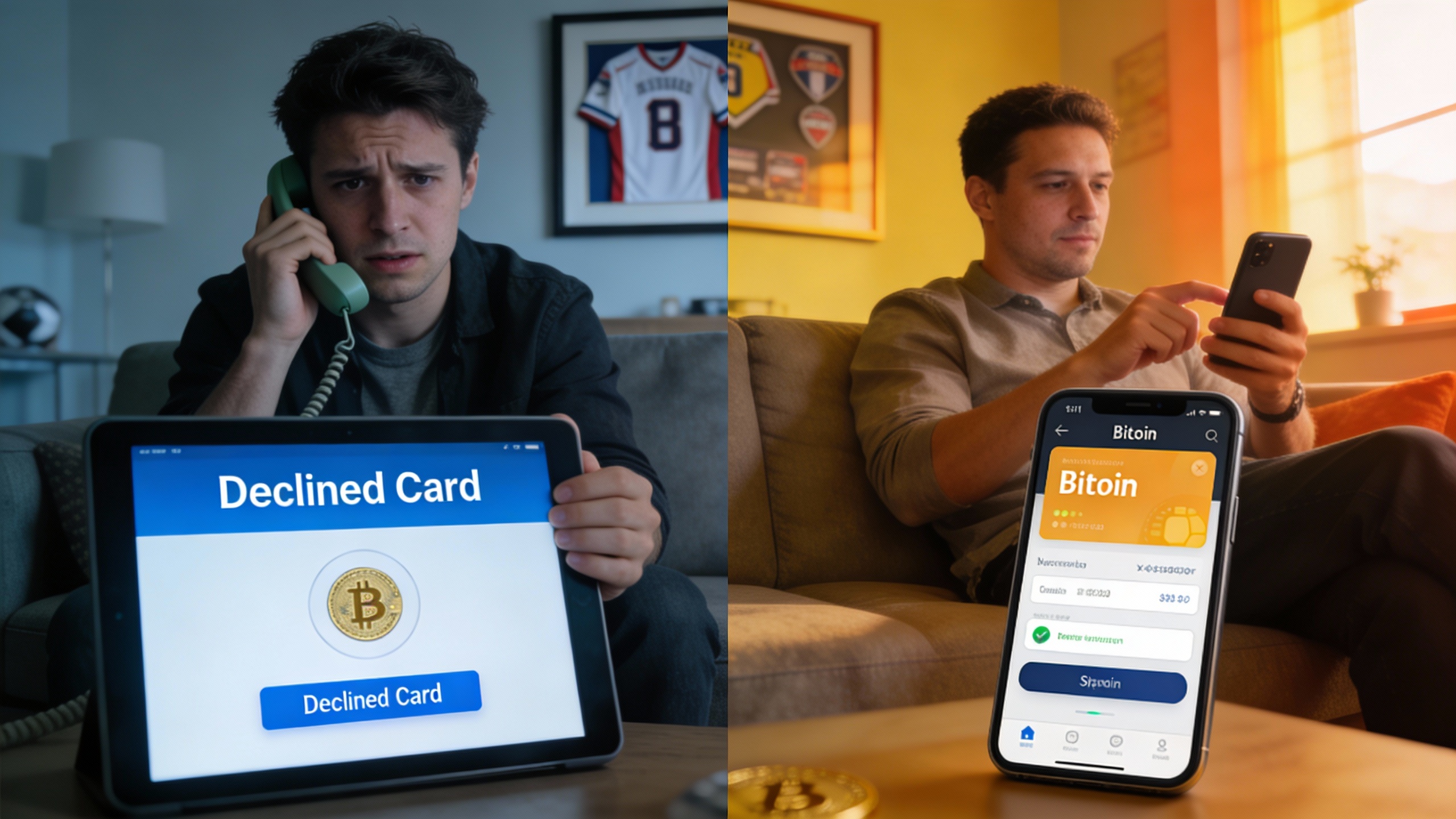
Pick a wallet that supports BTC, ETH, and LTC natively, displays network fees before you send, and offers address labeling. Labeling matters more than you think—"iBet BTC," "iBet ETH," "Personal Cold"—so you never second-guess where something's headed.
Generate your deposit address on iBetSports.ag for the coin you plan to send. Match networks exactly. BTC to BTC. ETH to ETH mainnet. LTC to LTC. Sending to the wrong chain isn't a funny story; it's a permanent donation.
Before you send a full deposit, do a test transaction—something small like $5-$20 in crypto equivalent. Confirm it credits in your account. You learn the timing without risking a large sum, and you validate you didn't botch the address. It's the equivalent of warming up with layups before you shoot from the logo.
Set your fee with intention. With Bitcoin, a medium fee usually lands in the next few blocks. Ethereum's gas is variable—check the live suggestion in your wallet and avoid peak times if you're fee-sensitive. Litecoin tends to glide along quickly with minimal fees, which is why a lot of bettors like it for quick top-ups before a late kickoff.
Most sportsbooks credit Bitcoin after 1–6 confirmations. One is fast but carries slightly more risk; three to six leans conservative. Ethereum often credits after a handful of blocks, while Litecoin's requirement tends to be modest thanks to its faster block time.
Fees play into timing. With Bitcoin, bump the fee modestly if you need speed. With Ethereum, gas is a market—watch your wallet's live recommendation and consider sending during calmer hours. Litecoin is the no-drama option: cheap and usually quick.
Bitcoin is the steady workhorse—universal, transparent, well-understood. Ethereum is nimble when gas is kind and supports future-proofed tooling. Litecoin is the humble sprinter—cheap, quick, and often overlooked. For most bettors, having all three available gives you a tactical edge.
Withdrawals follow similar logic in reverse. You request a payout to your personal wallet address, the platform signs and broadcasts it, and the network confirms. Keep the address book tight here too. Always test a small withdrawal before you move a large amount, especially the first time with a new sportsbook or a new wallet.
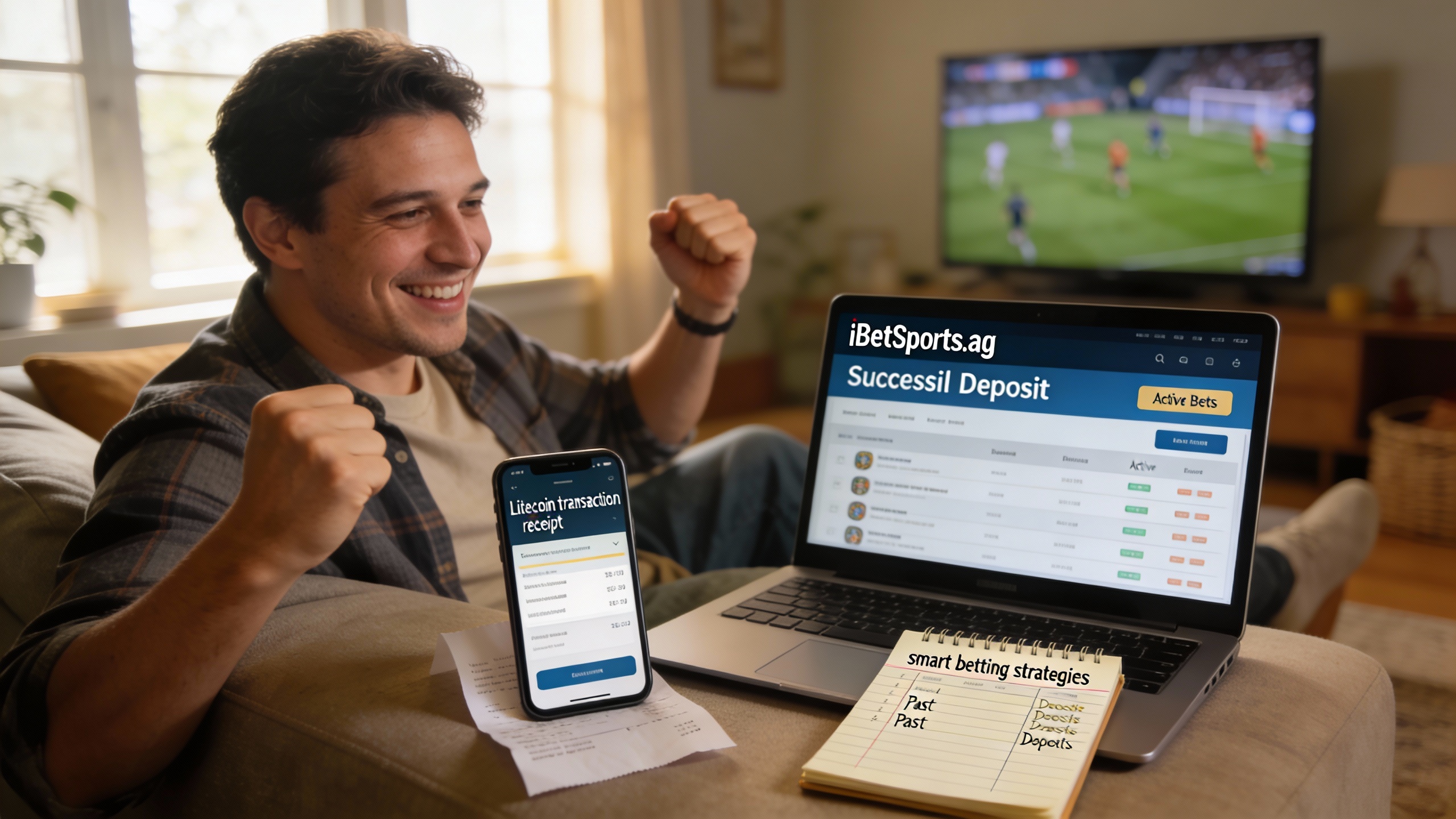
Case studies beat theory. Let's walk through how a clean setup turns into reliable movement and less friction while you're lining up your weekend plays.
On a Saturday morning, a bettor tops up with Litecoin because the early EPL slate is calling and kickoffs don't wait. They generate the LTC address on iBetSports.ag, send a small test, confirm the pending status, then push the full amount. Credit hits in minutes. Bets placed, coffee still hot.
Mistyped address? If it's sent, it's gone. Prevent it instead—QR codes, address book, test sends. Wrong network? Make a checklist you actually follow. Stuck transaction? For your personal wallet sends, use RBF or a fee-bump tool. For sportsbook withdrawals, file a ticket with TXID and give it block time.
Midweek, the same bettor shifts to Ethereum for a withdrawal. Gas is mellow. They request a payout to their labeled ETH address, wait for the confirmation count their wallet shows, and see it land before lunch. Tag created in the ledger, no hunting later.
Bitcoin comes into play when they move a larger chunk on Sunday night—steadier fee market, widely supported, slightly slower but solid. They aren't chasing lines now, so the extra minutes don't matter. They're thinking bankroll health, not hurry.
Back up your seed phrase offline. Avoid screenshots. Don't paste addresses from chat apps. Lock your device. Basic stuff, done consistently, outperforms fancy tools you never use. Create a simple ledger: date, coin, TXID, amount in coin, approximate USD at send, purpose (deposit, withdrawal), destination/source address label.
What changed for them wasn't just coin selection. It was mindset. Treat each transaction like loading a parachute: attention up front, calm in the air.
If you're managing your reads on betting odds or sketching out smart betting strategies for the week, you don't want your focus yanked away by guesswork over confirmations. Systems prevent that. Five minutes of structure beats an hour of anxiety—every time.
I Bet Sports customers often ask for a "simple, repeatable flow." Here it is in one breath: label addresses, test send, confirm on explorer, wait for the platform's credit, tag the transaction in your ledger, and move on to the plays. Streamlined. Boring—in the best way.