Security, KYC/AML, SSL, Responsible Gaming, and Dispute Resolution—What Bettors Should Know
Let's get right to it. iBetSports.ag sits in that uneasy pocket of offshore sportsbooks where the odds pop, the promos hum, and the complaints pile up. Lately, the sirens are louder—lawsuit filings, social feeds in open revolt, and a steady drumbeat from players who just want to get paid. You're here for a straight answer, not a sales pitch.
Short version: proceed like a driver in a whiteout. The site is licensed in Curaçao, welcomes U.S. bettors, and runs crypto deposits with hundreds of markets, which makes it feel big-league at first glance. But legitimacy isn't about a logo in a footer; it's about payout reliability, security posture, and whether there's real recourse when things go sideways.
The December 2025 class-action complaint in federal court—Javier Morales v. iBetSports.ag—didn't appear out of thin air. More than 5,000 users reportedly affected, a plaintiff claiming seven-figure winnings withheld after a $250K NFL parlay, and weeks of radio silence when he asked for his money. That tracks with public data: 1,847 unresolved complaints on AskGamblers since 2023, most about withdrawals.
Here's the part that keeps risk managers up at night: average resolution time of 28 days vs a seven-day offshore average, and a 72% withdrawal success rate against an 88% benchmark. Those numbers don't prove malice. They do warn you about friction—delay strategies, sudden KYC demands, and policies applied after the fact.
Security professionals aren't impressed either. As Mikko Hyppönen put it, "Basic SSL is table stakes, but iBet's lack of 2FA and exposed API endpoints make it a hacker playground"—a brutal assessment that aligns with a 14% self-reported hack rate in a 2025 survey and a Grade B SSL Labs scan. And remember the 2024 breach? 8,700 accounts compromised, late disclosures, and over a thousand fraud claims downstream.
So is it "safe"? Depends on your definition. If "safe" means consistent, well-documented payouts and an auditor standing behind you when things break—no. If it means you'll probably get small wins out and can stomach slow, contested withdrawals—maybe. That trade-off isn't theoretical; it's baked into how offshore books work. And it's why regulated alternatives keep gaining ground.

No extended validation, no evident post-quantum posture, and, crucially, no platform-wide two-factor authentication to harden logins.
Then there's the human layer. In 2025, 14% of surveyed users reported account takeovers or fraud incidents tied to iBet. Some were phishing. Some were weak passwords reused across apps. Some—if we're candid—likely stem from a sloppy API surface and rudimentary session controls. When 312 cyber incidents hit a single brand in one year, it's not just bad luck.
SSL simply protects data in transit. It doesn't guard your bankroll if an attacker resets your password, if support overrides controls, or if the site reactivates a self-excluded account (yes, that happened). Without 2FA, a leaked email and a guessed security answer can mean total compromise. And once crypto leaves, retrieval gets… theoretical.
If you still plan to use iBetSports.ag—or any offshore book—treat your security like a job:
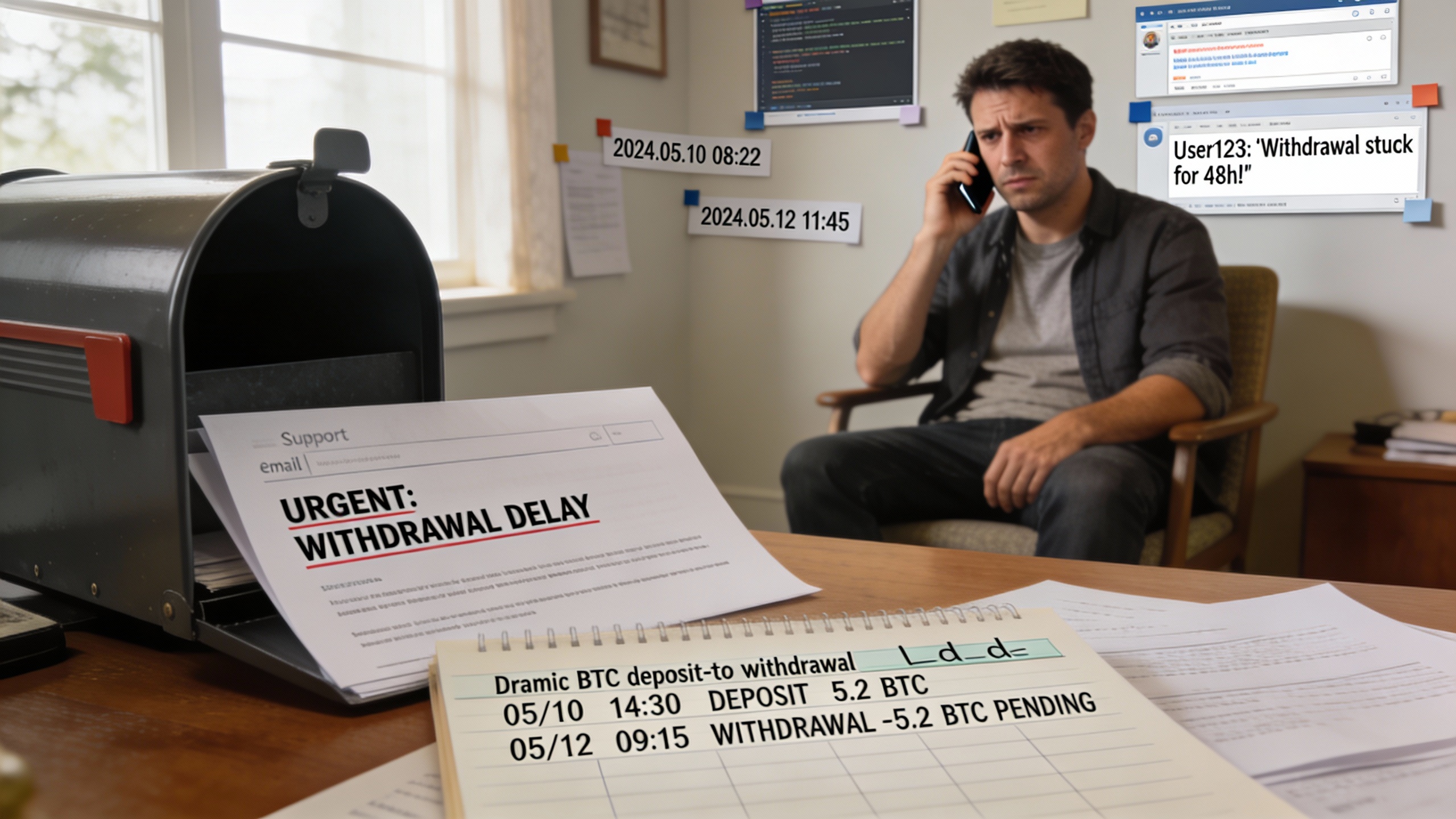
Disputes tell the truth that marketing can't. In one widely shared case, a bettor known as "TexasTitan" deposited $18K in Bitcoin, ran that to $62K on a UFC card, and then found himself locked out for "suspicious activity." KYC was invoked retroactively; support cited AML. After 45 days and external pressure, the payout arrived—trimmed by a 15% fee he hadn't agreed to.
The Morales lawsuit raises a bigger question: can an offshore operator demand new documents only after a big win and then stall indefinitely? We'll see in court, but 47 similar claims have been consolidated, and a hearing is set for February 2026. When that many stories rhyme—retroactive KYC, ambiguous "bonus abuse," accounts frozen after hot streaks—you start to see a playbook.
A bettor deposited $18K in Bitcoin, won $62K on a UFC card, then was locked out for "suspicious activity." After 45 days of external pressure, the payout arrived—trimmed by a 15% fee he hadn't agreed to. This pattern repeats across hundreds of similar cases.
At the same time, independent dispute centers show slow churn. A 28-day average resolution time isn't a customer-service quirk; it's a holding pattern. Offshore books without mandatory ADR—e.g., eCOGRA or IBAS—can choose silence, and you can shout into the void. Players have learned to escalate on Reddit, AskGamblers, X, and specialty forums, hoping visibility speeds things up.
Why does this happen? Weak KYC/AML upfront invites both fraud and regulatory heat later. If only 23% of users were verified before large withdrawals (per leaked internal material), the operator ends up auditing on the fly—usually right when you win. And yes, betting line movement can trigger manual reviews when models flag "sharp" activity, especially around props or niche markets.
One more landmine: responsible gaming lapses that boomerang into disputes. A documented case showed a self-excluded account reactivated within 72 hours, the user then banned for "multi-accounting" after a small win. That isn't just sloppy; it's an ethical failure that erodes any claim to legitimacy.
And if you need to escalate: build a concise timeline, attach hard evidence, then go public on a reputable forum and file with a dispute center the same day. Speed matters; so does tone. Facts over fury wins faster.

Here's the part the banners never mention. Self-exclusion tools exist at iBetSports.ag, but uptake is low and enforcement spotty. Industry leaders bake in cooling-off periods, automated harm detection, and deposit caps that can't be toggled off in a mood swing. Offshore sites rarely match that rigor. As Dr. Lia Nower has argued, performative tools are a fig leaf—without mandatory limits or monitoring, harm rises.
If you're chasing upcoming sports games betting with a tight schedule—NBA at 7, NHL at 7:30, late-night college games rolling—build a default brake. Pre-set a daily loss cap. Draft a simple self-check before kickoff: last week's results, tilt risk, sleep. Sounds trivial until you stick to it. Then it's the difference between thoughtful risk and a tailspin.
Self-exclusion tools exist at iBetSports.ag, but enforcement is spotty. One documented case showed a self-excluded account reactivated within 72 hours, the user then banned for "multi-accounting" after a small win. Without mandatory limits or monitoring, harm rises significantly.
At I Bet Sports, our team tracks betting line movement across regulated books to flag sudden shifts—injury whispers, weather swings, model overreactions. That work feeds our sports betting cheat sheet, which is less about "locks" and more about narrowing chaos to a few sane choices. Use similar logic offshore if you must: bet fewer markets with clearer edges, avoid obscure props that trip integrity alarms, and never ladder parlays with funds you can't afford to lose.
And about tonight's betting odds: they're a siren song when you've had a day. You open the app, you see a flash boost, and you figure one quick shot will fix the mood. Don't. Close the app. Walk around the block. Ten minutes of silence beats ten days begging support for a payout that never lands.
If the grind is weekly for you, consider parking more action with regulated operators where ADR exists and KYC is boring but swift. Offshore might still tempt you for niche markets or lines that hang longer. Just remember the payment channel matters more than the price on a Tuesday MAC game—exits matter more than entries.